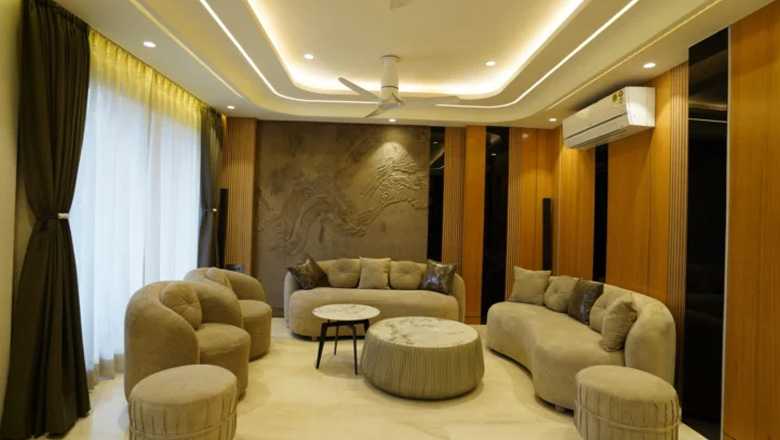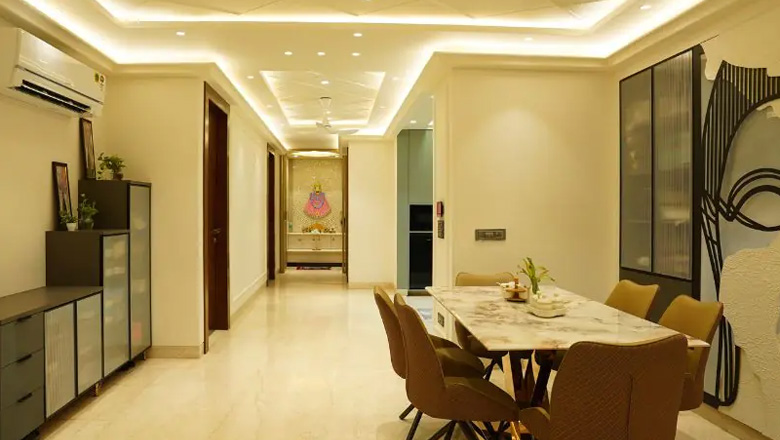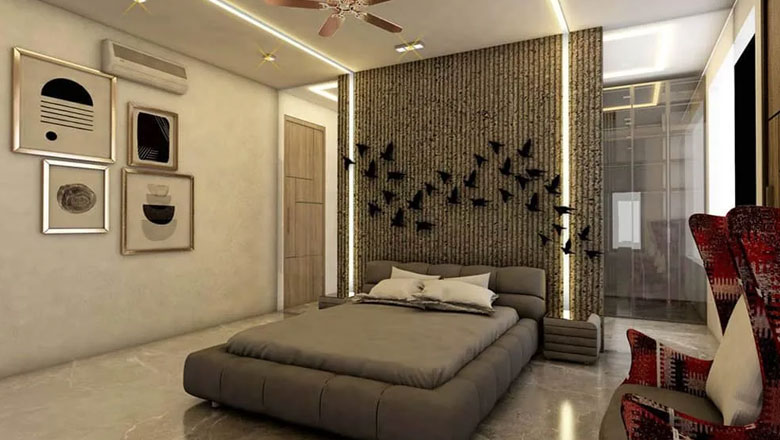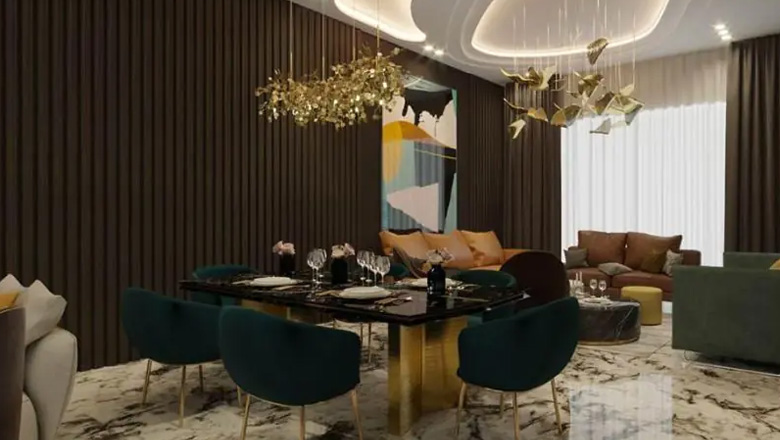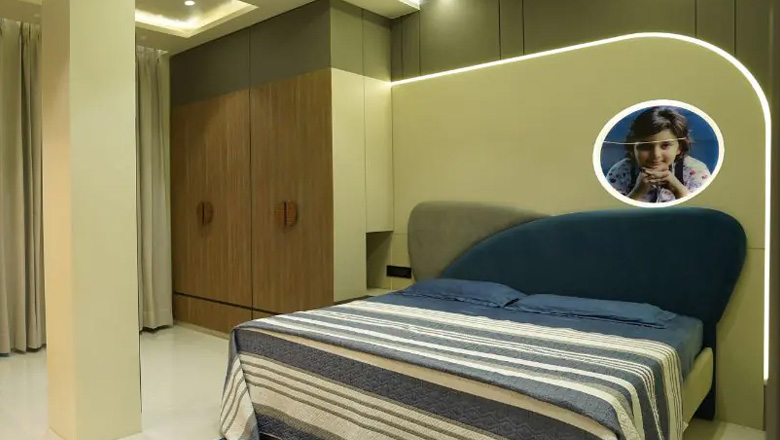
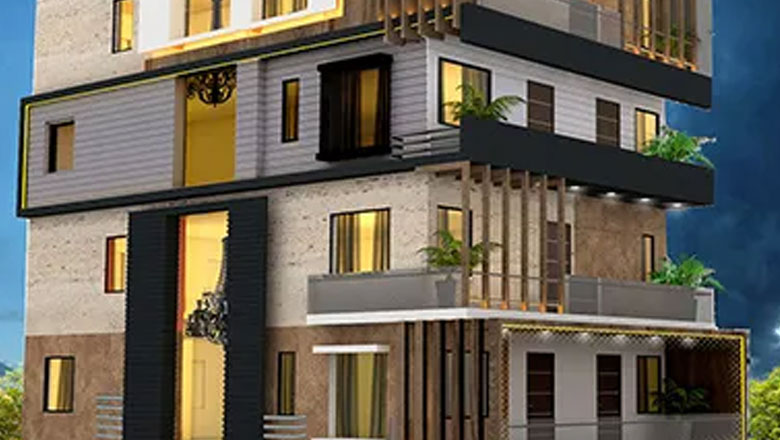
The most eye-catching part of an interior design lies in its details. On one hand for architectural textures, polished stones can bring opulence to a space; on the other hand, natural stone can add a touch of antiquity. To build timeless designs of sleek sophistication, we need to focus on giving them a character or a design backbone.
It’s surprising how much of a difference wood, stone, metals, etc., can bring to a space. To set a certain tone for a space, one can go for a particular kind of texture or architectural material. Their close relations and symphony are the reason behind the most popular interior trends.
Architectural textures are the visible and tactile surfaces of a building’s structure. As we already know, they play a key role in giving elemental aesthetic to design.
Elements like exposed concrete walls, wooden beams, or steel finishes are fine examples of spaces where architectural textures are in an intricate play with designs.
Who doesn’t love symmetry and eye-pleasing designs and architectural trends amalgamation? Let’s be honest and accept that a small mismatch of design can take away all its charm.
Some benefits of cohesive design include:
Let’s dive into the most commonly used materials and explore their roles in architecture and interiors:
Because of the warmth and timelessness it has to offer, it becomes an obvious choice for both architectural and interior design.
There are versatile options available in this category, such as rich mahogany or pale pine. Woods can be integrated with the interiors in flooring, furniture, and paneling.
To complement the interior wood-laden designs, on the exterior, it can be used as wall claddings or structural beams.
Stone is identified for its durability and strength. Its texture allows it to complement both rustic and polished appearances.
Granite and limestone are a common sight in walls and exterior facades. Accent walls and stone-embedded fireplaces are now becoming a normal thing too.
Metal is the go-to material for commercial spaces and hospitality areas, where the focus is on giving the space a touch of modernity and elegance.
Using metal, the heavy modern nature of the material gives a contemporary flair to the interior.
In industrial designs, brass and aluminum shine as stunning furniture and decorative elements, while metals enhance the strength of structural frameworks and window frames beautifully!
We cannot deny the fact that blending and experimenting with different kinds of architectural patterns, materials, colors, and textiles can be a confusing process. While blending architectural textures with interiors is rewarding, it can be challenging:
As design evolves, new trends in architectural textures and interiors are emerging:
Now that you know architectural textures are more than mere s building material, they are the soul and heart of a space. You now need a reliable, well-known, proficient interior designing team to help your space conquer the art of creating a cohesive and inviting environment through their craft. Dezine Innovation is at your service for this. Contact Dezine Innovation today to schedule a consultation with our expert interior designers and architectural professionals.
Using textures in interior design provides a quality surface for your space. Which you can see and feel, adding depth, contrast, and visual interest to the interiors. There are two types of Textures in interior design.
Architectural Textures vs. Interior Designing
Architectural textures and interior designing, both provide different purposes and are equally important
Using a combination of both can provide the best results, with ensuring well-balanced, beautiful, and functional space